
10 Incredible Marine Animals You Can See at Blue Heron Bridge
If you’ve heard divers talk about Blue Heron Bridge, you’ve probably noticed one thing—they don’t stop talking about the marine life. Located at Phil Foster Park on Singer Island, this world-famous shore dive is known for something rare: an incredible concentration of small, fascinating, and often elusive marine creatures.
Whether you're a first-time diver or an experienced underwater photographer, here are 10 amazing animals you might encounter at Blue Heron Bridge.
🌊 Why This Dive Site Is So Special
Unlike deep reefs or wrecks, Blue Heron Bridge is a shallow, protected environment filled with sand, seagrass, rocks, and bridge structures.
That combination creates the perfect habitat for the best marine animals you can see at Blue Heron Bridge:
Camouflaged critters
Rare macro species
Juvenile fish
Constantly changing marine life
💡 Every dive here is different—and that’s what keeps people coming back.

Highly intelligent and incredibly adaptive, octopus sightings are always memorable.
Often hidden in rocks or debris
More active during night dives
Known for dramatic color changes

Tiny, vibrant, and wildly diverse, nudibranchs are a highlight for macro lovers.
Come in bright, eye-catching colors
Often found on rocks, sponges, and algae
Require a careful eye to spot

These tiny, delicate creatures are one of the most sought-after sightings.
Often found clinging to seagrass
Extremely well camouflaged
Easy to miss if you’re moving too fast
Best tip: Slow down and scan carefully—this is not a rush dive.
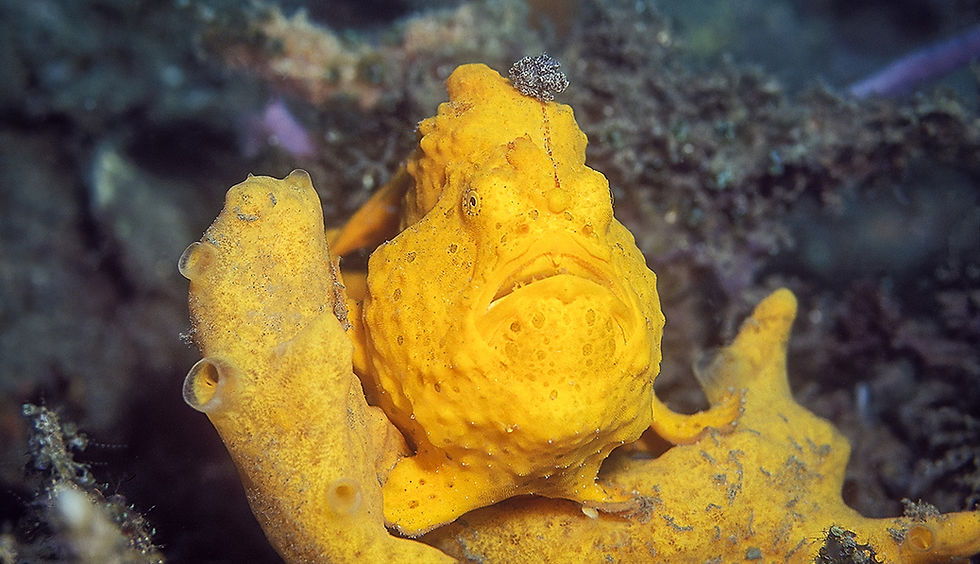
Masters of disguise, frogfish look more like sponges than fish.
Can be bright or perfectly camouflaged
Sit still for long periods
A favorite among underwater photographersceholder paragraph. Replace this text with your own content.

Juvenile batfish are especially unique—they mimic floating leaves.
Small and oddly shaped
Drift with the current for camouflage
A rare and exciting find

Closely related to seahorses, pipefish are long, thin, and easy to overlook.
Blend perfectly into seagrass
Move slowly and subtly
Often spotted by patient divers

Blue Heron Bridge acts as a nursery for many tropical species.
Bright colors and patterns
Juveniles often look completely different from adults
Great for beginner divers to enjoy

These crabs literally decorate themselves with their surroundings.
Covered in algae, sponges, or debris
Nearly invisible at first glance
A fun “treasure hunt” find

Flat and perfectly camouflaged, flounder disappear into the sand.
Look for subtle outlines or eye movement
Often flush away when approached

Blennies & Gobies
Small but full of personality, these fish are everywhere.
Peek out from holes and crevices
Curious and expressive
Perfect for close-up photography
🤿 Tips for Spotting More Marine Life
Move slowly and deliberately
Look closely at small details
Dive during slack tide for better visibility
Consider a night dive for completely different sightings
Dive with a guide if it’s your first time
🌴 Make the Most of Your Dive Trip
Because marine life changes daily, many divers return again and again—hoping to spot something new each time.
Staying nearby makes it easy to:
Dive multiple times
Catch ideal tide windows
Explore both day and night dives
👉If you want to dive the Blue Heron Bridge, check out our Scuba Diving page for important info and
Final Thoughts about Marine Animals You Can See at Blue Heron Bridge
Blue Heron Bridge isn’t about big, fast action—it’s about discovery.
The more patient and observant you are, the more you’ll see. And when you do, you’ll understand why this site is considered one of the best macro diving locations in the world.


Comments